NeuroVectis Pharma (NVPX)
A breakthrough regenerative therapy for Parkinson's disease
Harnessing breakthrough 3D tissue engineering to create functional dopaminergic implants that restore natural dopamine production and brain function.
NeuroVectis Pharma (NVPX)
Restoring the system, not the symptom
NVPX does not deliver dopamine. It rebuilds the biological network that produces dopamine naturally. The implant contains mature dopaminergic neuronal networks integrated into a supportive tissue matrix, enabling survival, connectivity and long lasting function.
Personalized biological replacement parts for natural dopamine production.
Treating Parkinson's disease at its biological root
NVPX aims to transform the treatment landscape for Parkinson's disease by replacing symptomatic treatment with regenerative personalized implants.
Restoring neurological function
To restore neurological function through biological implants capable of long-term, physiological dopamine synthesis.

Validated science, translational rigor and clinical leadership — from bench research to a patient-ready therapy.
Redefining the future of Parkinson's therapy
NVPX aims to restore brain function.
Restoration
Reversing functional loss through biological implants.
Sustainability
Enabling long-term, natural dopamine production.
Transformation
A paradigm shift in treating neurological disease.
Experienced scientific, clinical and strategic leadership

Dr. Gal Gur Shachar
CEO, PhD
An experienced leader in biomedical innovation, clinical development and regulatory strategy. Skilled in managing multidisciplinary teams and translating advanced technologies into clinical pathways.
Prof. Tal Dvir
Chief Scientific Officer
A world leading expert in tissue engineering, stem cells, and regenerative medicine. Extensive experience in building complex biological implants and translating cutting edge science into therapeutic platforms.
Prof. Gal Ifergan
Medical Director
Senior neurologist and Head of the Neurology Department at Soroka Medical Center. International expertise in neurodegenerative diseases, clinical study design and evaluation of innovative therapies.
Mr. Ron Mayron
Director
A global healthcare specialist who serves on the boards of numerous public and privately held pharma and medical device companies in Israel. Former CEO of Teva Israel & Africa and CEO of S.L.E. Israel.
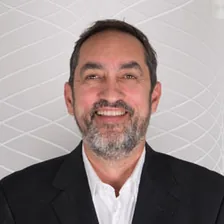
Dr. Gil S. Pogozelich
Chairman
Entrepreneur with extensive experience in biotechnology, artificial intelligence and building technological ecosystems. Leads strategic planning, collaborations with medical and academic institutions and long term innovation tracks.
A growing neurodegenerative crisis
People living with Parkinson's today
Projected patients by 2050
Annual US economic burden (2019)
Projected US burden by 2037

A worldwide burden: over 10 million patients today, more than 25 million by 2050.
A multi-billion dollar global demand
The economic burden of Parkinson's in the USA is estimated to exceed $50 billion per year (2019), roughly half of it direct medical costs. By 2037 the total economic burden is predicted to be over $79 billion.
The global therapeutic market was valued at $7.75 billion in 2025 and is projected to grow from $8.38 billion in 2026 to $15.77 billion by the end of 2034, growing at 8–10% annually. A therapy that restores dopaminergic function represents one of the largest unmet needs in neuroscience.
Source: Fortune Business Insights — Parkinson's disease drugs market.
Global therapeutic market
8–10% CAGRMulti-Billion Dollar Valuations Drive CNS & Cell Therapy Deals
Bayer / BlueRock
~ $1B total deal value ($600M full acquisition) for cell therapy platform.
Voyager / Neurocrine
Up to $4.4B gene therapy partnership ($175M upfront payment).
Novartis / Arrowhead
$2.2B potential deal value for RNAi therapeutics.
GSK / Vesalius
Strategic platform partnership valued at up to $650M.
UCB / Neuropore
$480M collaboration to slow Parkinson’s disease progression.
Pre-clinical Parkinson's benchmarks validate multi-hundred-million-dollar deal values, offering early investors significant multi-fold return potential.
Current approaches in development (2026)
Complementary and supportive therapies manage symptoms. Active regeneration aims to restore function — and only NVPX delivers all three capabilities.
Complementary & Supportive
Dopamine Management & Delivery
Levodopa; enzyme inhibitors (COMT & MAO-B); Tavapadon (selective D1/D5 agonist); Vyalev pump.
- Cell survival
- Functional neuronal tissue
- No immunosuppression
Complementary & Supportive
Neuromodulation & Surgery
Adaptive DBS "closed-loop" systems; MRI-guided focused ultrasound.
- Cell survival
- Functional neuronal tissue
- No immunosuppression
Complementary & Supportive
Biological Support & Neuroprotection
Targeting root causes: BIIB122; anti-alpha-synuclein; NTCELL trophic support.
- Cell survival
- Functional neuronal tissue
- No immunosuppression
Active Regeneration
Gene Therapy
Viral vectors for enzyme expression or survival: AskBio AAV-GDNF, Voyager AADC.
- Cell survival
- Functional neuronal tissue
- No immunosuppression
Active Regeneration
Dopamine Neuron Cell Grafts
iPSC suspensions: Aspen (Sasineprocel), BlueRock (Bemdaneprocel), Sumitomo.
- Cell survival
- Functional neuronal tissue
- No immunosuppression
Active Regeneration
NVPX Solution
Double-autologous functional engineered neural tissues — cells and scaffold from the patient.
- Cell survival
- Functional neuronal tissue
- No immunosuppression
Active Regeneration & Functional Restoration
| Feature | NVPX(Living Implant) | Aspen(Sasineprocel) | BlueRock(Bemdaneprocel) | Sumitomo(Amchepry) |
|---|---|---|---|---|
| Circuit Restoration (Replaces neurons) | ||||
| Prevents Anoikis (Structural cell survival) | ||||
| Pre-Integrated Network (3D Tissue) | ||||
| Autologous Scaffold (Patient-derived matrix) | ||||
| Personalized Cells (Autologous) | ||||
| Eliminates Rejection (No immunosuppression) |
* Bayer acquired BlueRock for approximately $600M — industry validation of the regenerative approach.
Scientific Foundation
Strong academic and translational roots
The technology is based on years of research at Tel Aviv University and further development within Matricelf Ltd.
Capabilities include:
- Tissue Engineering
- Stem Cell differentiation
- Matrix Design
- Established GMP Capabilities
The company begins from validated science rather than theoretical concepts.
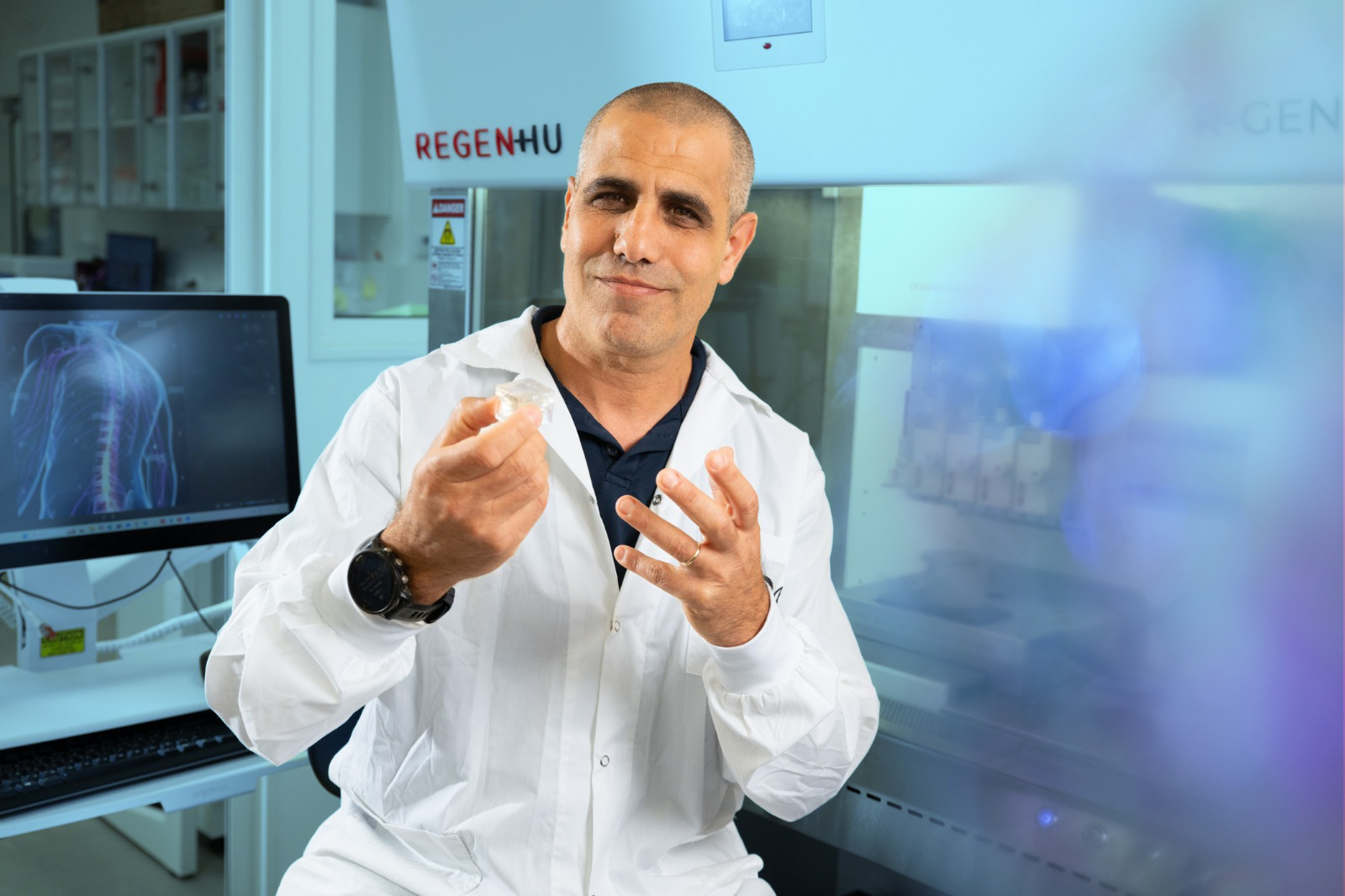
Four pillars of a next generation therapy
NVPX does not deliver dopamine — it restores the biological network that produces it.
1. Structural Survival ("The Home Advantage")
The autologous scaffold prevents cell death by mimicking the brain's matrix, ensuring nearly 100% graft survival and immediate connectivity.
2. Double-Autologous Safety
Using the patient's own cells and tissue eliminates rejection risks and the need for harsh immunosuppressants, making the therapy safer also for elderly or frail patients.
3. Physiological Precision
Structured tissue provides regulated, rhythmic dopamine release, significantly reducing the risk of graft-induced dyskinesia compared to unpredictable cell aggregates.
4. Immediate Integration
Unlike cell suspensions that take months to organize, our "ready-to-fire" networks shorten the timeline from surgery to visible motor improvement.
A functional dopaminergic neural implant
The NVPX implant is a 3D-engineered, double-autologous neural micro-tissue built from the patient's own cells and scaffold.
The full NVPX cycle: autologous cells become iPSCs, are engineered into 3D dopaminergic micro-tissue and transplanted back as functional tissue.
A. Physiological Restoration
Regulated dopamine release and potential seamless integration with damaged neural circuits.
B. Superior Safety
Patient-derived tissue eliminates the rejection risks inherent in synthetic or donor-based alternatives.
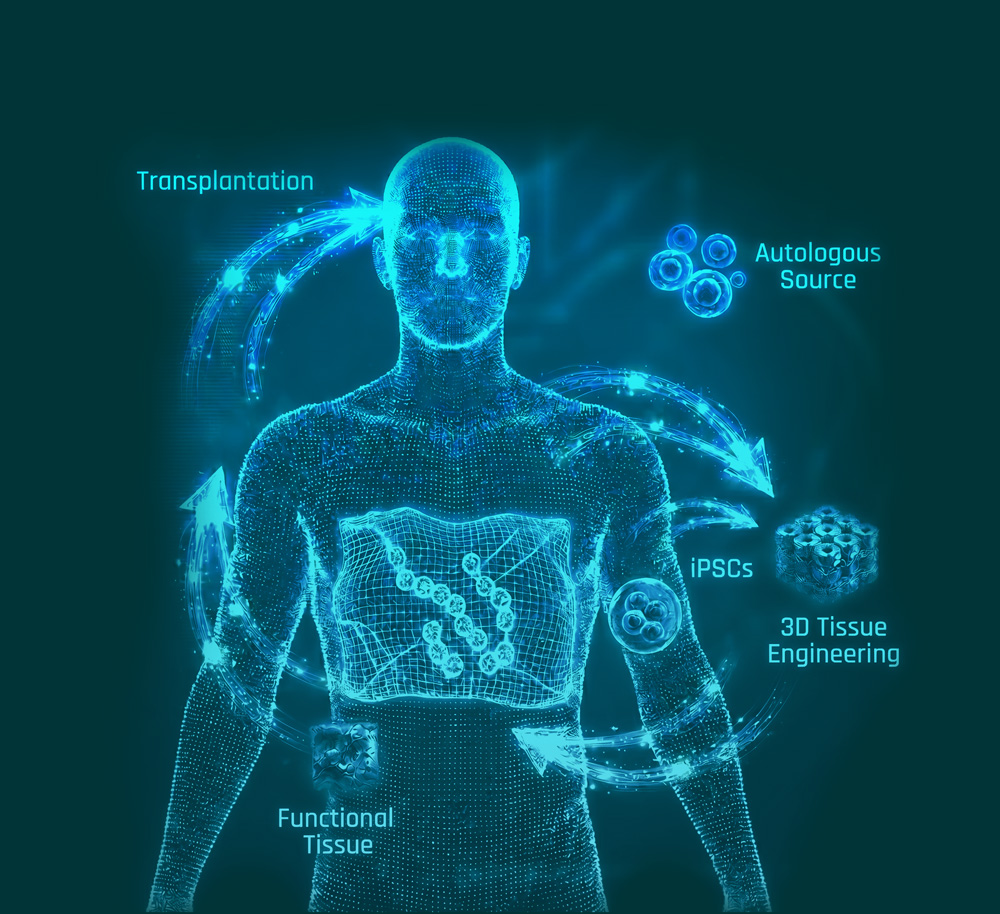
From patient cells to functional dopamine producing micro tissues
Cell Collection
Blood is collected from the patient and reprogrammed through genetic engineering into induced pluripotent stem cells.
Creating personalized biological replacement parts for natural dopamine production.
Strong exclusive license and clean ownership
NVPX holds an exclusive global perpetual license from Matricelf for all Parkinson's related technologies:
- 4 Patent Families
- 2 Patents Granted*
All new intellectual property is owned solely by NVPX.
This structure provides full freedom to operate and a clean ownership path for investors.
* (1) Omentum-based scaffold and delivery system (EU) Publ. #: 3013380, (2) Particles comprising decellularized omentum (USA & EU), Publ. #: 2018-0361023-A1 & Publ. #: 3389678